Deep Dive 01 · Live service · Six years
Case file open
Fortnite Battle Royale
Six years at Epic. Balance leadership, the hotfix framework, design lead on Impostors, MrBeast $1M, the Unvaulting, and the UEFN tooling that opened Fortnite to creators.
RoleDesign Lead
EngineUnreal 4/5 · UEFN · Verse
PlatformsPC · PS · Xbox · Switch · Mobile
I joined at the start of development, on the early team that built the game. I stayed through the era that defined what live service at platform scale would look like.
Three lanes that overlapped constantly. Balance and systems for the core game. Marquee launches and events. The tooling that made the cadence possible. In leadership, I oversaw 20 to 30 directly and around 200 indirect contributors at peak.
01 / Foundational
Balance & Live Systems
Role: Lead Balance & Live Systems Designer · Team: 6 designers · Span: Launch through Chapter 2
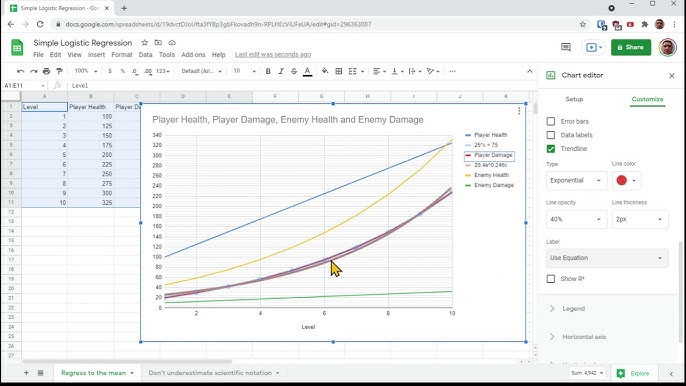
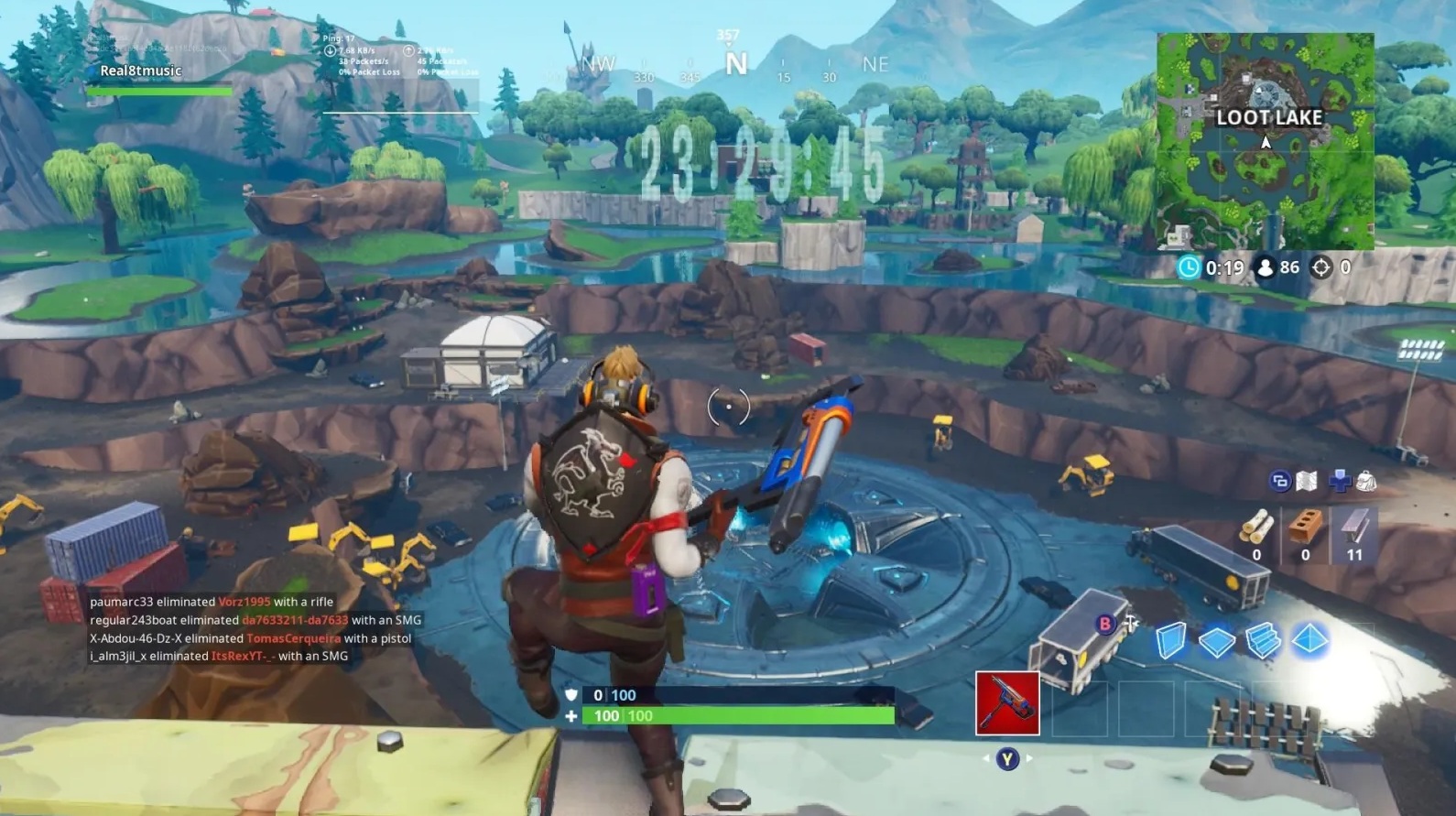
Led the Balance team launch through Chapter 2. Six designers, every weapon and economy lever, weekly releases driven by telemetry and community sentiment.
The problem
Competitive genre, but the audience was twelve-year-olds and ex-pro CS players in the same lobby. Tune for the top 5% and retention craters. Tune for casuals and the competitive ceiling collapses.
The goal
A meta legible to a new player but still rewarding mastery at the top. Tuned weekly. Neither group melted.
The hard call
Both audiences can't win on a single change. You ship a direction, watch the data, accept one side will be loud. The lead work is deciding which side wins this week, and defending it in the patch notes.
One concrete move
Layered, not switched. High-mastery items (movement, building, headshots) carried the skill ceiling. Lower-mastery items carried accessibility. When the meta ran hot at the top we'd nerf the mastery item, not buff the casual one. Adding power to the casual layer is reversible. Pulling it from the competitive one isn't.
What surprised me
How often the right call was smaller than the team wanted. Big swings made patch notes louder and the meta less stable. Tuning in 5% weekly increments produced a healthier season than any single decisive move.
02 / Engineering Tools
The Hotfix & Composite Systems
Role: Design ownership + UX · Status: Both systems shipped into Unreal Engine
Two tools that came out of weekly Balance friction. Both removed engineering from a loop where designers didn't need them.
Tool A
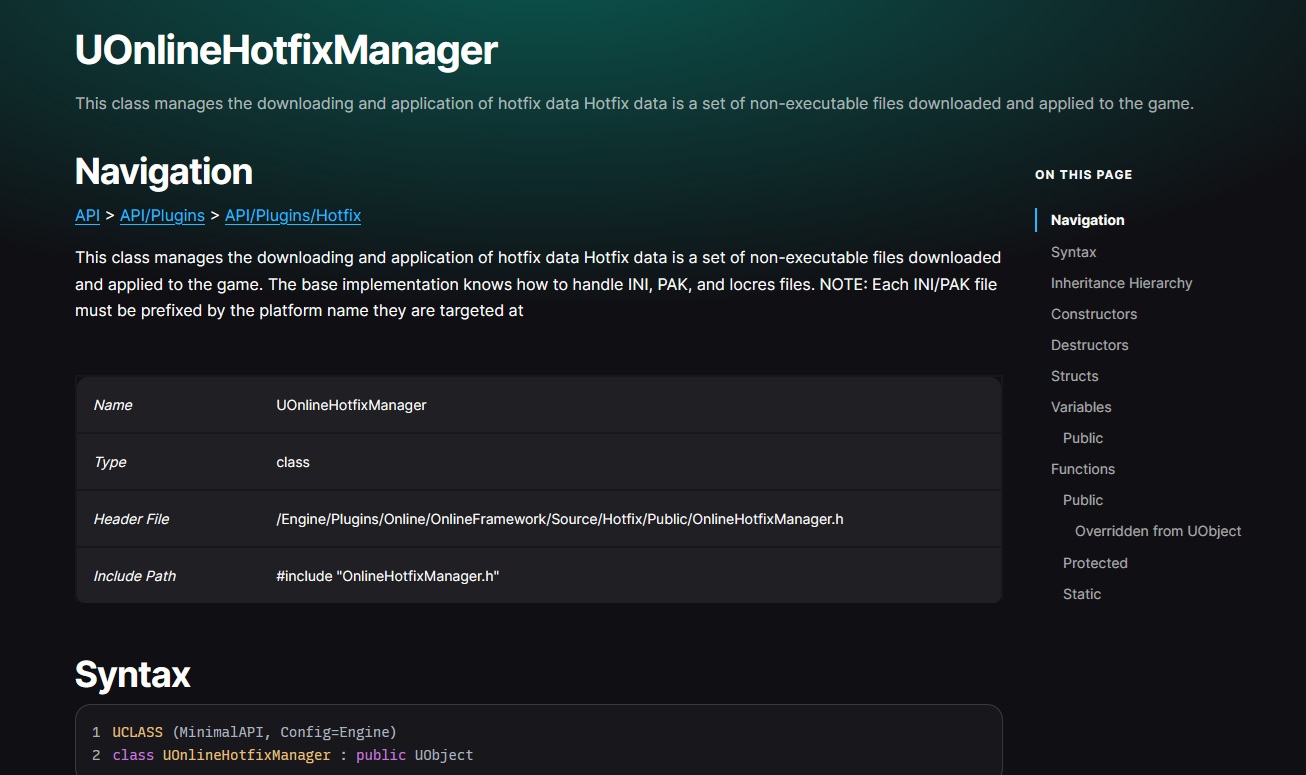
The Hotfix Manager
The problem
Every data change needed an engineer to craft and deploy hotfix syntax. Patch windows were the bottleneck. We needed to deploy data changes to live without scheduled downtime, and without an engineer in the loop.
What it is
Client checks for a hotfix before connecting to a match. If one exists, it downloads, applies it, then begins matchmaking, all before the player notices. On the authoring side I designed a generate hotfix button into the datatable workflow that diffs changed values and writes the syntax automatically.
Outcome
From 2017 through 2022, Fortnite ran on this system. Designers shipped their own balance changes. Zero scheduled downtime for content changes across the entire span. The system lives in Unreal Engine.
Tool B
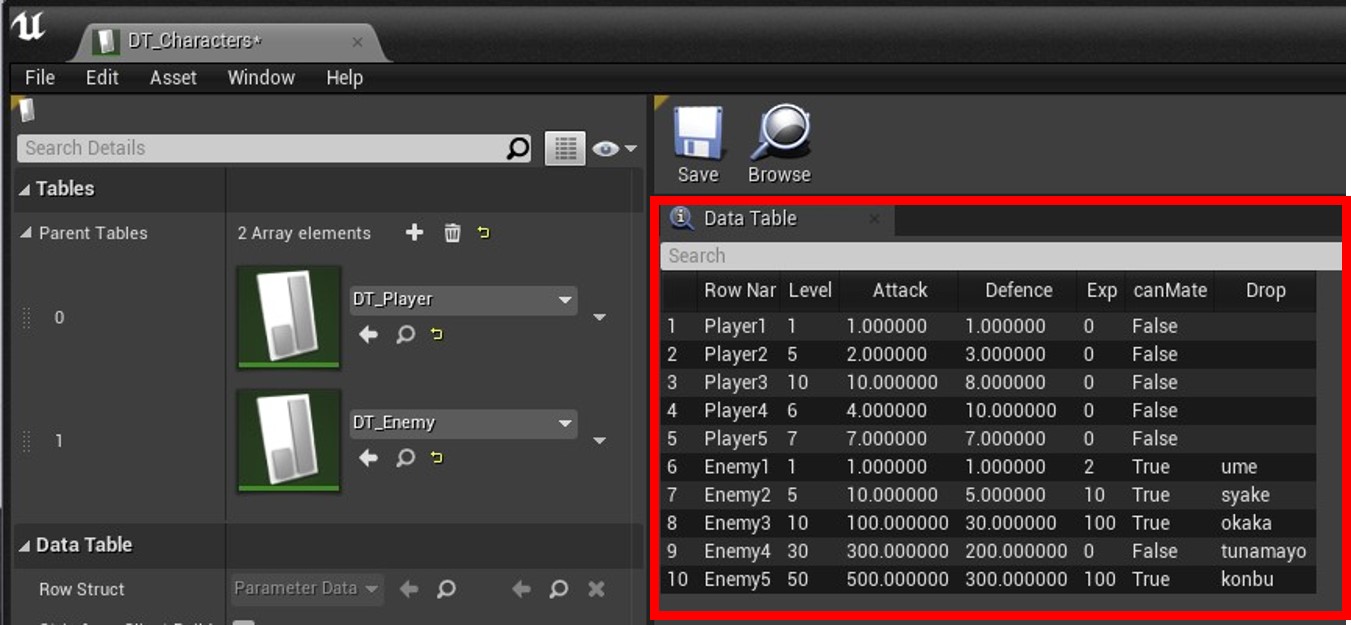
Composite Datatables
The problem
Every LTM had to duplicate the entire base datatable just to change a handful of values. A new mode with three tweaked weapons meant a 200-row table next to the base, with 197 identical rows. Hard to read, hard to audit.
What it is
A derivative table layers on top of a base table. It only contains the rows that override or add. Everything else falls through at runtime, where the result is a single stamped combined table. Designers see only what's different per mode.
Outcome
Massive reduction in datatable size for projects with multiple modes. Designers could glance at a derivative table and instantly see what an LTM changed. The system lives in Unreal Engine.
03 / Live Event
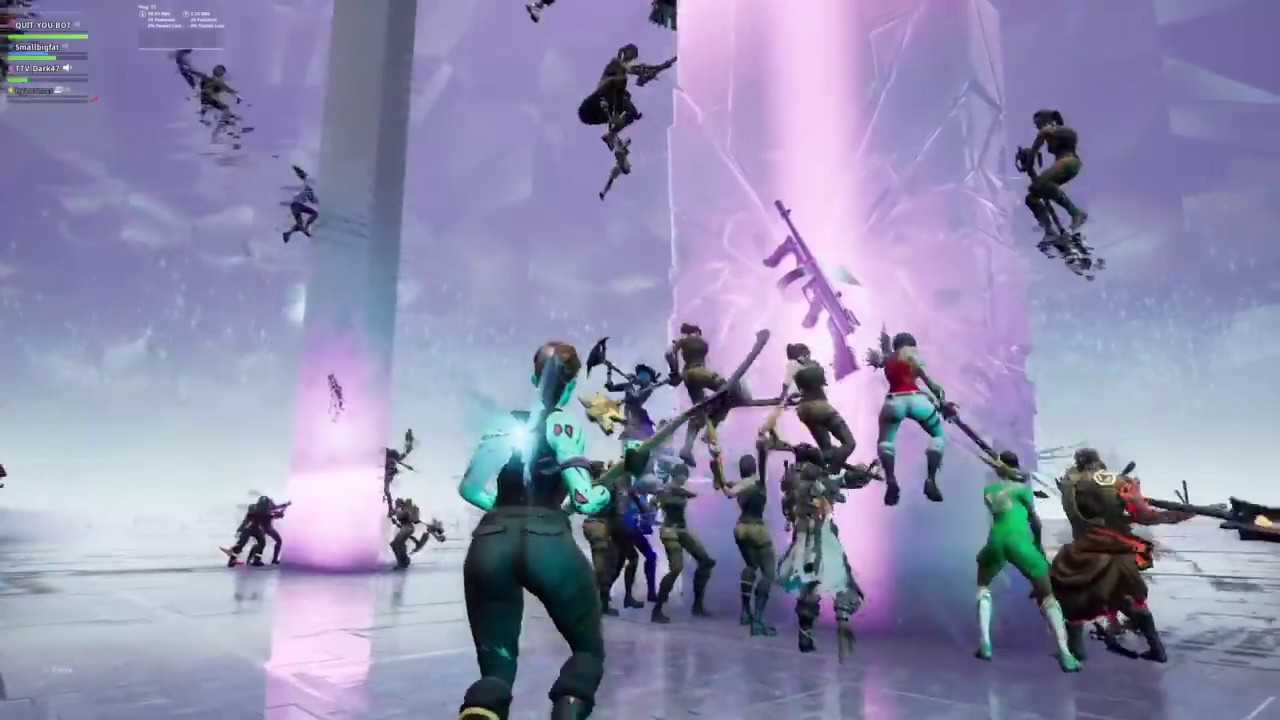
The Unvaulting
Released: Season 8 · May 2019 · Role: Core gameplay elements of the live event
A live event inside an active competitive match. Real-time interaction at concert-scale concurrency. Global play at server scale.
The problem
Build an event that feels global to every player on earth. No patch window.
The goal
Global feel at the individual server level. A player on a 100-person server should still feel millions pulling in the same direction.
The hard call
Allow failure cases. If players didn't engage, progression stalled. They could troll the event by refusing to participate. We let that risk stand. The bet was that most players would want to advance it. It could have failed publicly.
One concrete move
Keep all interaction simple. This was a side layer running inside an active competitive match. You never knew if the player approaching you was there to fight or to help. Required attention had to be minimal. Pickaxe an object. Hold an interact key. The interaction primitives changed between stages, but the complexity ceiling stayed deliberately low.
The unvaulting itself rode on the hotfix infrastructure I'd built two years earlier. The moment the vote closed, the chosen weapon's loot row flipped via hotfix, and every server got the change before its next match.
What surprised me
The players chose the Drum Gun. We had biplanes and other options on the ballot, and most of us internally were betting on the planes. The Drum Gun was polarizing. The vote said something about what the community valued (chaos, accessibility, a known meta-warping weapon) that none of us had fully predicted.
04 / Marquee Launch
Impostors
Released: August 2021 · Role: Design Lead, end to end · Internal recognition: Synthesis quality
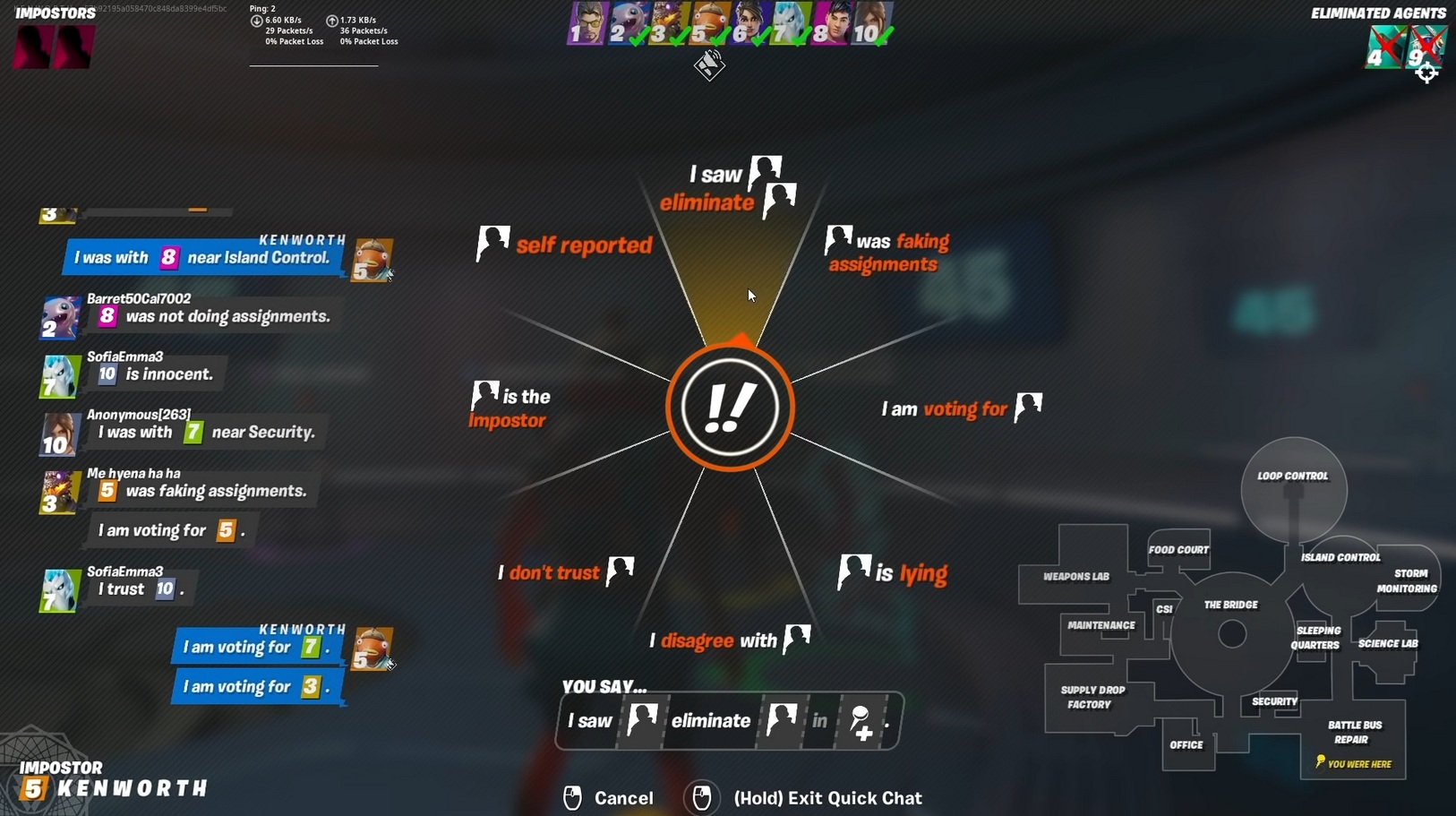
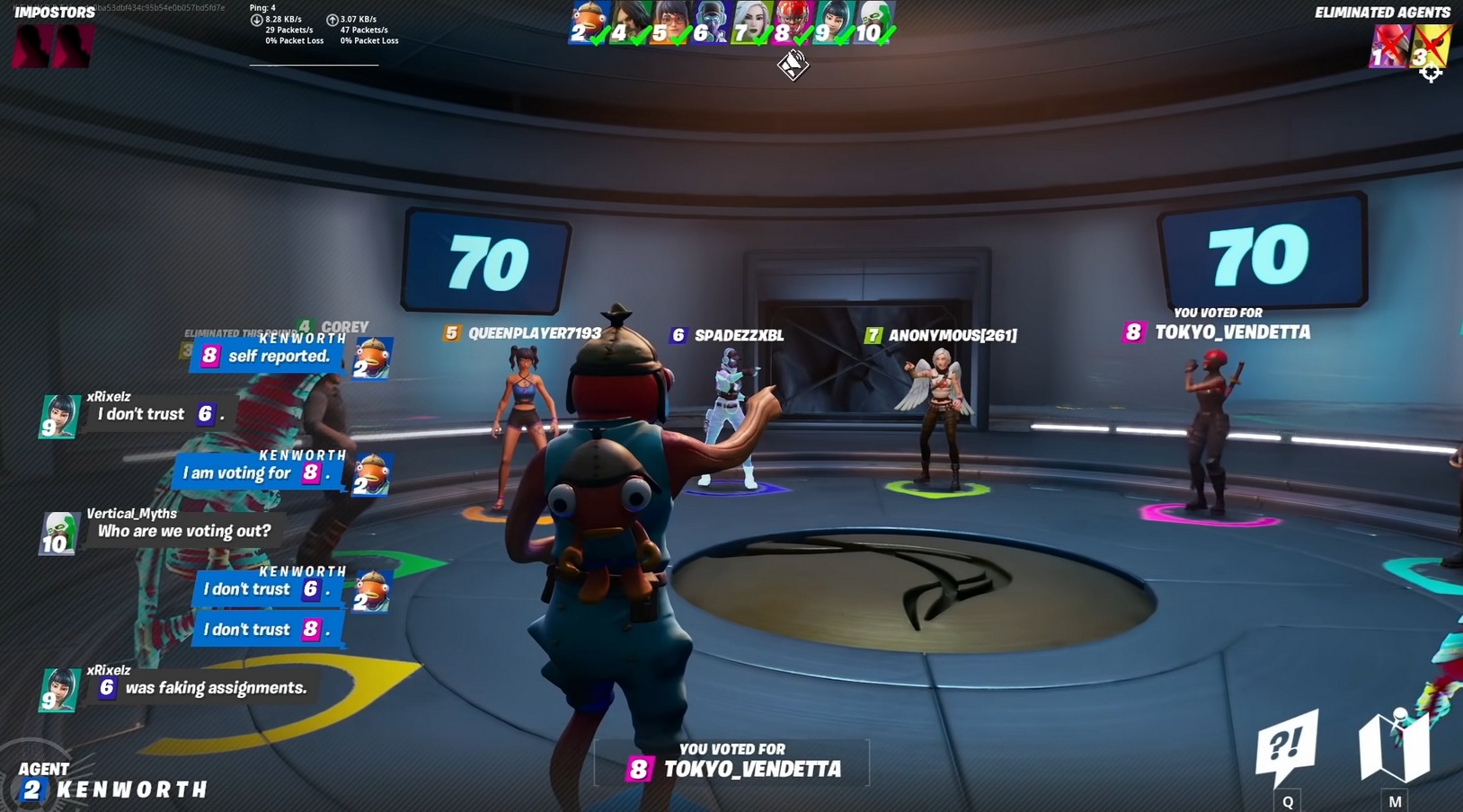
Take two enormously successful experiences (Among Us social deduction and Fortnite action) and merge them in a single season window without either lineage feeling cheapened.
What I owned
Design lead, end to end. Led a team of designers on execution. The synthesis was the part nobody else could split with me.
Among Us had a specific texture: small player count, role asymmetry, communication windows, voting rituals, a task system. Fortnite had its own conventions for movement, item interaction, lobbies, and season fit. Respecting both lineages was a single-owner judgment call.
The synthesis calls
Player count. Communication mechanics. Role-reveal pacing. Task-system flavor. Battle Royale integration. Each was a tradeoff between an Among Us beat and a Fortnite expectation. The moves that worked were the ones where the answer was visibly neither one.
The reception
Heavily praised internally. Leadership specifically flagged it as having done justice to both source experiences. That recognition is the closest thing I have to a public record of the design judgment behind the mode.
05 / Competitive Ruleset Under Load
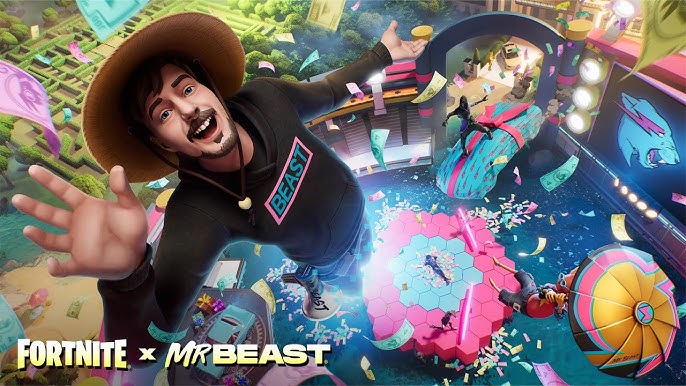
MrBeast $1M Tournament
Role: Design lead · rules, scoring, tiebreak architecture · Scale: 12M+ unique participants · three live days
A million-dollar tournament inside Fortnite, built entirely with the same UEFN/Creative toolset every developer has. Uncheatable. Fair. Resolved to a single uncontested champion the moment the timer ran out.
The problem
A real-money tournament inside a creator-tool environment, accessible to every player on the platform, at platform scale. Transparent. Skill-rewarding. Room for luck. Produces a single defensible winner with no appeals. The winner had to be obviously the winner.
The goal
One ruleset. Solo-or-multi fair. Not cheatable. A single uncontestable champion the moment the timer hits zero.
The hard call
The scoring system. Had to be transparent: players knew exactly what scored and when. Reward skill: the better player wins more often. Leave room for luck: somebody could break in against expectation. And make tied scores at the top mathematically impossible, so the winner could be crowned instantly.
One concrete move
Each account got a maximum of 20 total attempts across three days. The final score was the average of your three best attempts. That rewarded consistency over lucky one-shots. Reaching the top required hitting the ceiling three times.
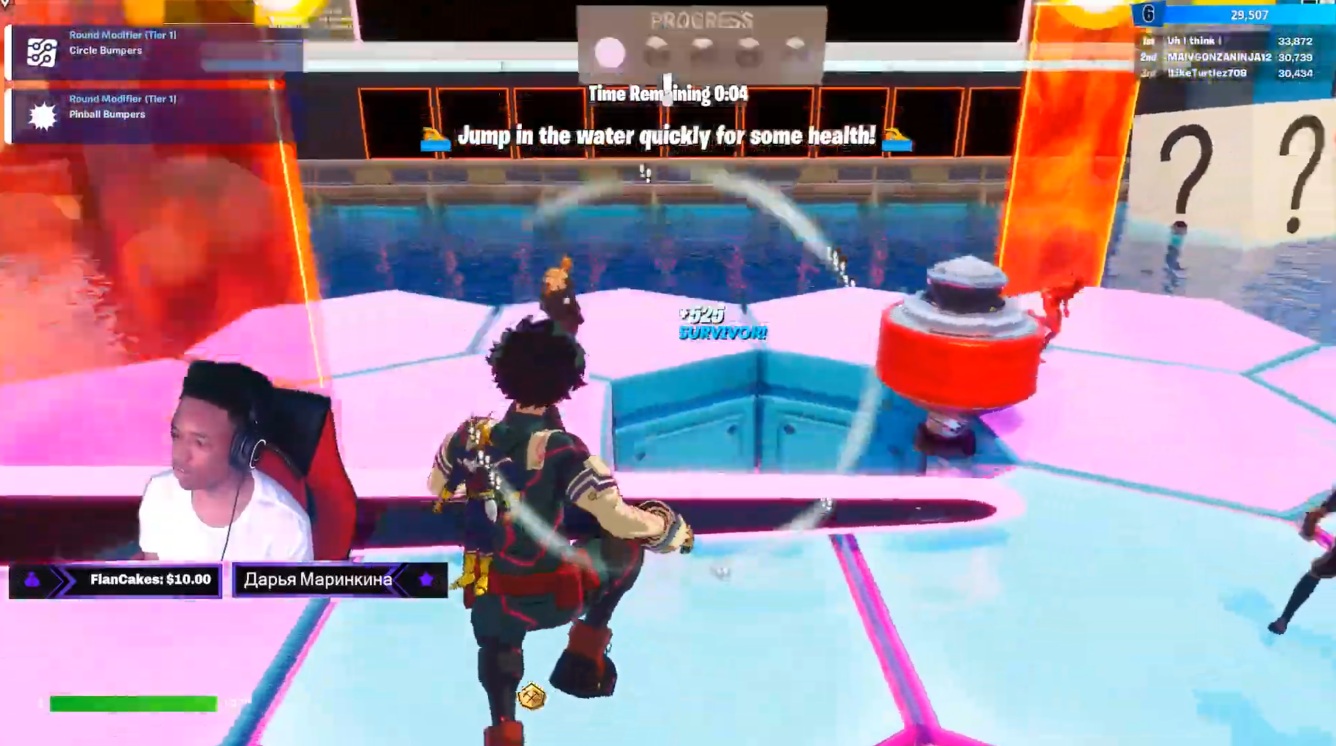
Every mode used lower-mastery Fortnite mechanics (movement, pickaxing, environment interaction) rather than the shooting layer. Strategy decided it, not raw aim.
Per match, the maximum possible score was guaranteed equal across all matches. Some rounds had 200 points available, some had 100. Across ten rounds, the totals always summed to the same number. A perfect run always equaled the same score. But playing perfectly was extremely hard, and how to play perfectly was randomized per match. Nobody hit a perfect score across the event. The path was always visible. Execution was the wall.
What surprised me
How clean the resolution was. 12M unique participants. Zero contested results. No event-caused downtime. A single uncontested champion the second the timer ran out.
06 / Tooling & Platform
UEFN & UGC Design Lead
Role: Design lead on creator tooling · Delivery: 4 contract vendor studios across four countries
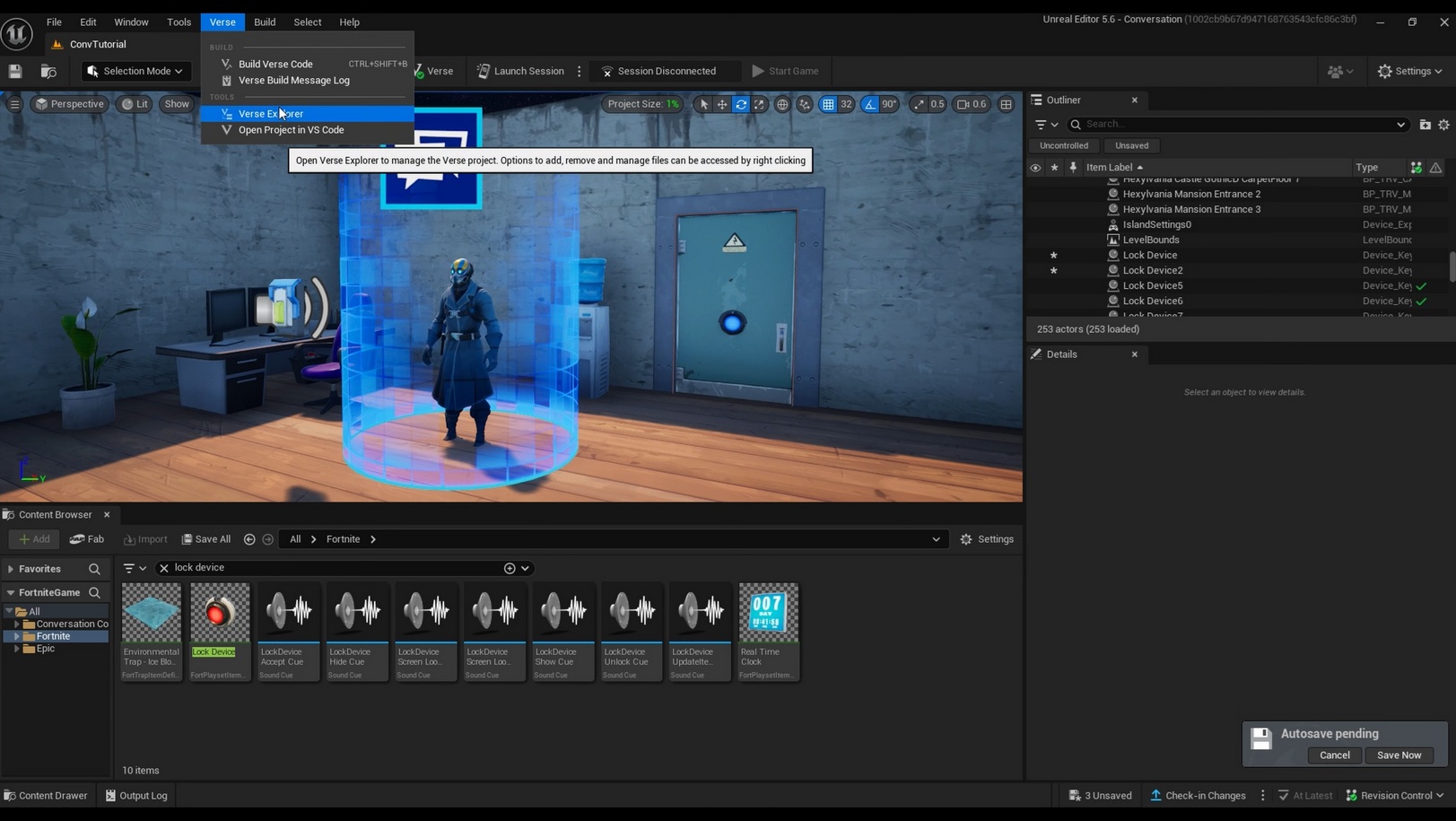
When Fortnite opened its Unreal Editor to creators, my role moved into the tooling layer. I led design on the toolset and managed delivery across four contract vendor studios alongside our internal team.
The problem
A creator-facing Unreal editor has roughly the same complexity as the professional one. You can't expose all of it. You also can't lock it down so hard that creators only build five flavors of the same game. Nothing new could break what already shipped. The cost of breaking an existing creator's island was always higher than delaying a new feature.
The goal
A toolset that let creators build high-fidelity, mechanically distinctive experiences without engine-level access. A roadmap that prioritized the tools with the highest creative leverage at each stage.
The hard call
We could not ship everything creators asked for. Every cycle we picked which capabilities went next, knowing each addition meant a surface we'd have to maintain forever.
One concrete move
Stood up a dedicated internal team to dogfood the UGC tools. Two effects. One: the tools were built usable from the start, not retrofitted. Two: we had an informed internal team that could tell leadership, from first-hand experience, which tools would unlock the largest creator experiences. That second part made prioritization arguments actually useful.
What surprised me
How creative the community got at bridging gaps. The most interesting creator experiences often combined our primitives in ways our internal team hadn't anticipated. The dogfooding team learned more from watching creators ship than from any spec we wrote.